
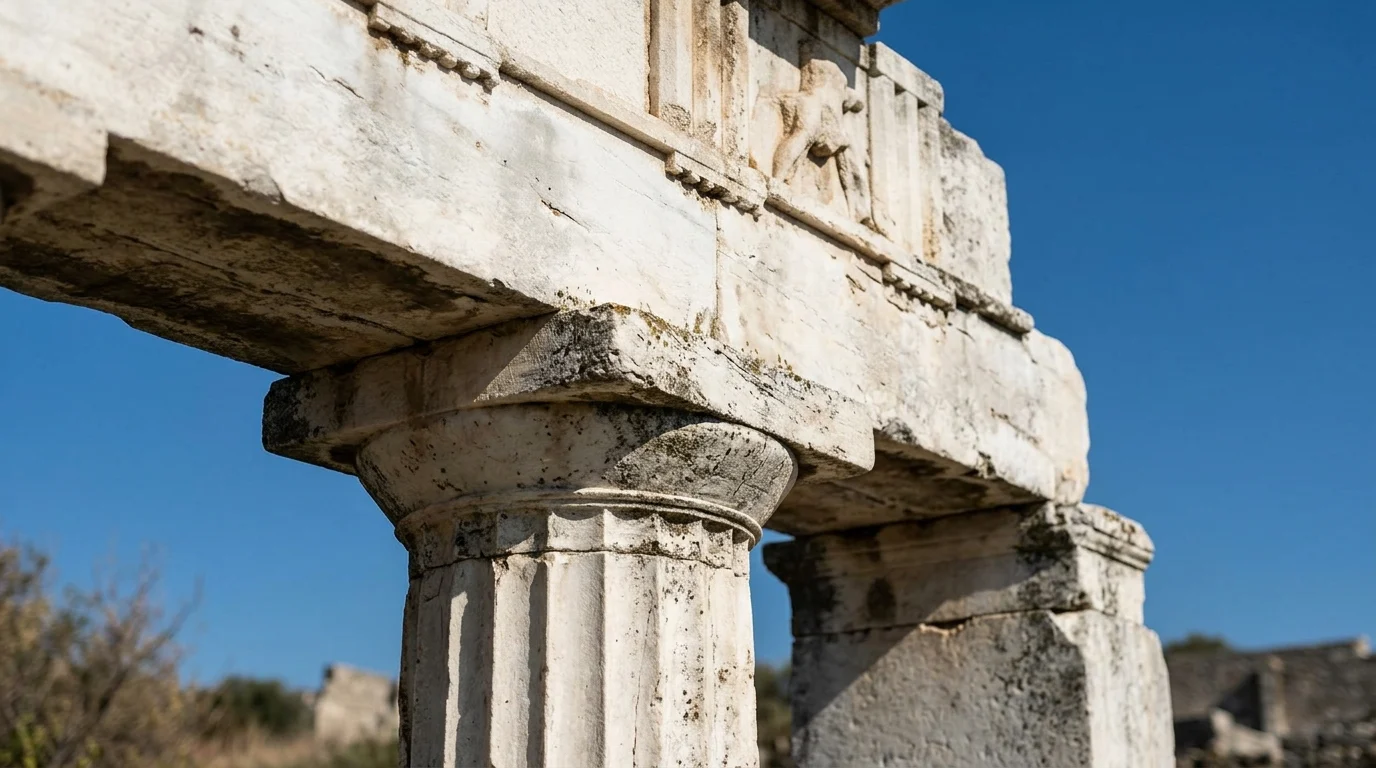
Greek Prime Minister Kyriakos Mitsotakis has challenged UK Prime Minister Andy Burnham to show “political will” and authorize the permanent return of the Parthenon Sculptures to Athens. The appeal, made in a late September op-ed, explicitly leverages Burnham’s own history of advocacy for the marbles to pressure the British leader into breaking a decades-long deadlock.
The diplomatic push follows reports that high-level negotiations between the Greek government and the British Museum have reached a standstill. While Athens seeks a full reunification of the 5th-century BC friezes, the British Museum has maintained a position centered on a long-term loan rather than a transfer of ownership.
The ‘Political Will’ Challenge
Writing in The Guardian on September 24, Mitsotakis argued that the dispute is no longer a matter of legal interpretation but of leadership. He specifically targeted Burnham’s previous stance on the issue. In 2023, while serving as Mayor of Greater Manchester, Burnham stated that the sculptures should be returned to Greece with “no strings attached.”
However, since becoming Prime Minister in July 2026, Burnham has shifted his public position. In August, he told the Financial Times that the future of the sculptures is legally a matter for the British Museum’s trustees, citing the British Museum Act of 1963 which prevents the institution from deaccessioning its collection. Mitsotakis’s recent intervention characterizes this as a retreat from “political courage.”
The Bayeux Tapestry Comparison
The current tension is exacerbated by a disagreement over what model a potential return should follow. The British Museum recently opened an exhibition featuring the Bayeux Tapestry, which is on an unprecedented loan from France. Museum officials have suggested that this arrangement—where a national treasure is moved temporarily while ownership remains with the original holder—could serve as a blueprint for the Parthenon Sculptures.
Mitsotakis has rejected this “Bayeux model,” arguing the two cases are fundamentally different. Greece contends that while the tapestry is being loaned as a complete work, the Parthenon frieze was physically severed, leaving half in London and half in Athens. The Greek government maintains that a loan agreement would require them to formally acknowledge British ownership, a legal concession they have consistently refused to make.
Stalled Negotiations
The public nature of the Prime Minister’s appeal coincides with reports that direct talks between London and Athens have effectively collapsed. According to sources familiar with the discussions, the impasse centers on disagreements over whether the return should be permanent or a loan.
The British government has yet to issue a formal response to the Greek Prime Minister’s latest op-ed. While Burnham’s administration has expressed a desire for a “constructive partnership” with Greece, Downing Street has not indicated any plans to introduce legislation that would allow the museum to bypass current restrictions on returning the artifacts.