

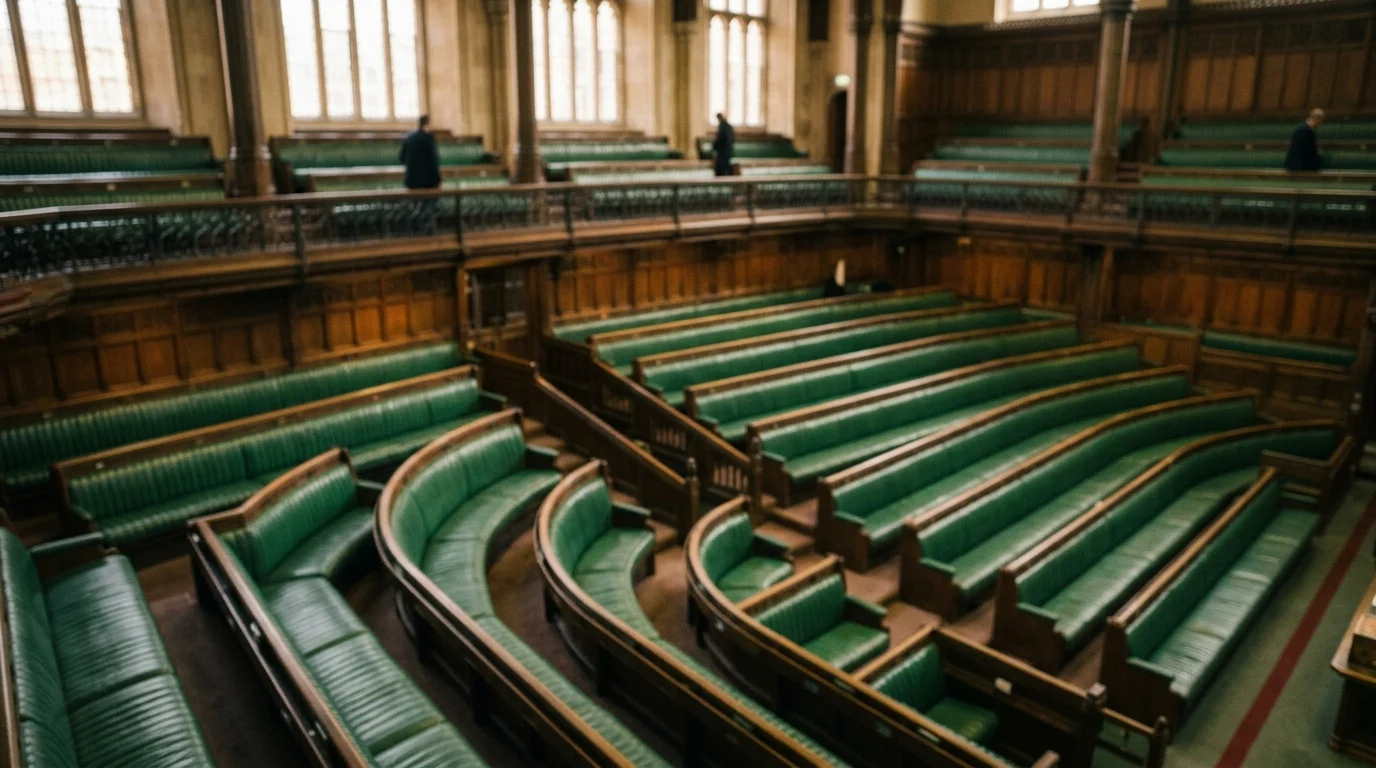
The UK government is set to announce a ban on trade with illegal Israeli settlements in the West Bank today, Tuesday 8 September 2026. Foreign Secretary Ed Miliband is expected to outline the measures in the House of Commons this afternoon, marking a significant shift in British foreign policy.
The move follows what the government has described as a “comprehensive reset” of the UK’s approach to the Middle East, which included the formal recognition of the State of Palestine by the British government in September 2025.
The specific trigger for the trade restrictions is the Israeli government’s launch of a tender for 1,200 housing units in the ‘E1’ area of the West Bank in August 2026. International observers have long warned that development in this area would effectively bisect the West Bank, making the creation of a contiguous Palestinian state impossible.
The restrictions will target goods and certain services originating from settlements considered illegal under international law. While bilateral trade between the UK and Israel is valued at between £6 billion and £8 billion annually, goods produced specifically within the settlements are estimated to represent only a small fraction of that total.
International diplomatic tension
The announcement follows high-level diplomatic discussions intended to manage the fallout of the decision. On Monday evening, Prime Minister Andy Burnham held a phone call with US President Donald Trump to discuss the situation. According to an official briefing from Downing Street, the leaders discussed the Middle East ahead of today’s formal notification to Parliament.
The proposed ban has already drawn sharp criticism from within the Israeli government and from some officials in the United States. Israel’s Finance Minister, Bezalel Smotrich, has reportedly called for the expulsion of the British ambassador in response to the measures.
In the United States, the Ambassador to Israel, Mike Huckabee, labelled the move “irrational” and warned that individual US states, such as Florida, may consider imposing reciprocal trade restrictions against UK-based businesses in retaliation.
Mr Miliband, who is Jewish, has framed the policy as a necessary step to protect the possibility of a two-state solution. The government has previously cited a July 2024 advisory opinion from the International Court of Justice regarding the illegality of the occupation as the primary legal framework for these measures.
A statement issued by the Foreign, Commonwealth & Development Office last month made clear that the UK views settlement expansion in the E1 area as a “serious obstacle to peace”. Today’s announcement is expected to provide more specific details on how UK customs will distinguish settlement goods from those produced within Israel’s 1967 borders.