
As flight schedules begin to stabilize following the massive National Air Traffic Services (NATS) technical failure on September 8 and 9, 2026, hundreds of thousands of passengers are now navigating the complex process of claiming expenses and understanding their legal rights. The outage resulted in more than 2,000 flight cancellations and affected approximately 330,000 travelers across the UK.
While the immediate system glitch has been resolved, Transport Secretary Heidi Alexander has ordered an independent review by the Civil Aviation Authority (CAA). NATS CEO Martin Rolfe has been given one week to submit a technical report explaining the cause of the failure, which the agency has already confirmed was not a cyberattack.
Your Mandatory ‘Right to Care’
Regardless of the cause of the delay, airlines operating in the UK are bound by UK261 regulations to provide a “duty of care” once a delay reaches a specific time threshold based on the flight distance. This remains a legal obligation even when the disruption is outside the airline’s control.
Airlines must provide food, drink, and access to communications (often via vouchers) when a flight is delayed by:
- Two hours or more for flights under 1,500km.
- Three hours or more for flights between 1,500km and 3,500km.
- Four hours or more for all other flights.
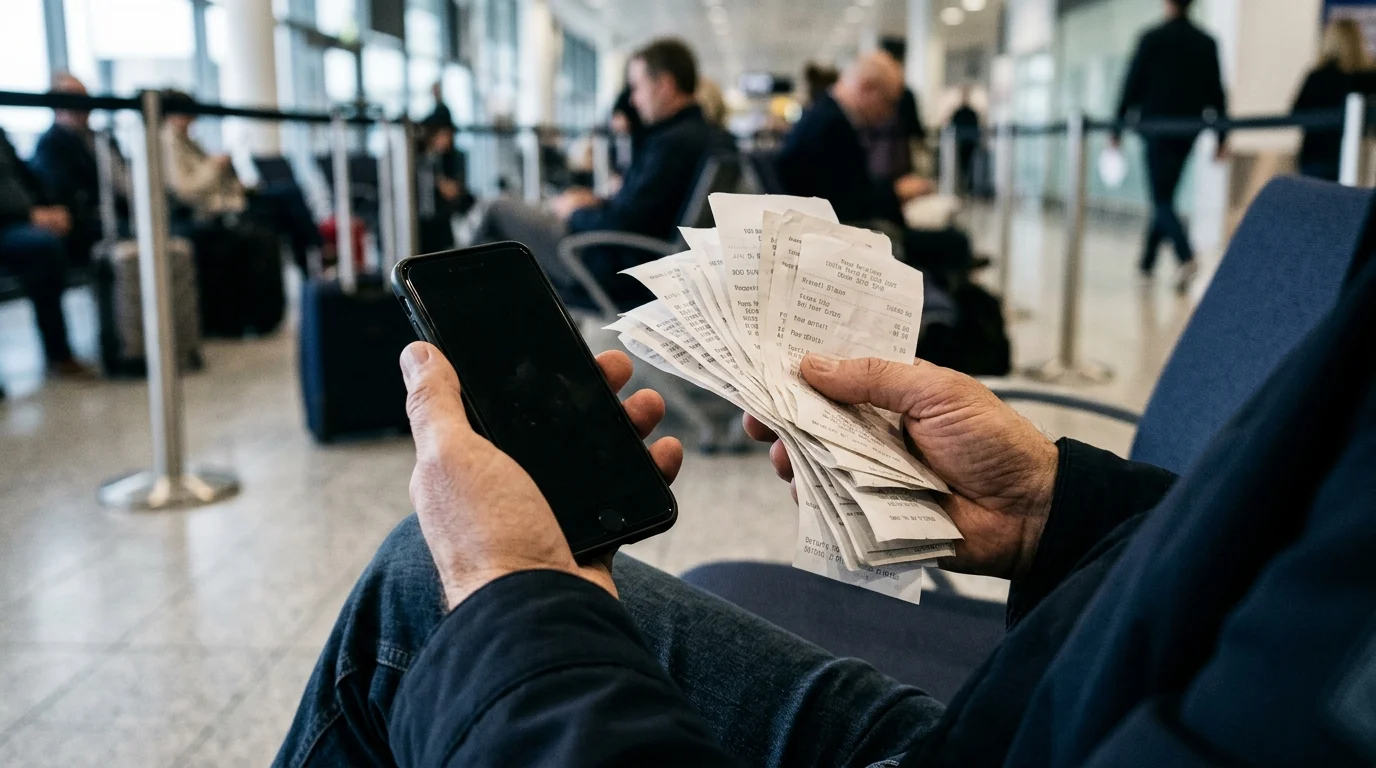
If a delay extends overnight, the airline is legally required to provide hotel accommodation and transport to and from the airport. If your airline fails to provide these vouchers, passengers are advised to keep all itemized receipts for “reasonable” expenses to claim back later. The CAA suggests that “reasonable” typically covers mid-range hotels and standard meals, rather than luxury accommodations or alcohol.
Refunds and Re-routing
If your flight was cancelled, the law provides a clear choice: you are entitled to either a full refund of the ticket price or an alternative flight to your destination at the earliest available opportunity. According to The Guardian, many passengers have faced significant wait times for re-routing due to the sheer volume of affected travelers.
If you choose a refund, the airline’s duty of care ends immediately. If you choose to wait for a re-routed flight, the airline must continue to provide food and accommodation until you depart.
The Compensation Dispute: ‘Extraordinary’ or ‘Avoidable’?
The most significant point of contention for the 330,000 affected passengers is the eligibility for fixed-sum compensation (up to £520 per person). Under standard regulations, airlines do not have to pay compensation if a delay is caused by “extraordinary circumstances” which could not have been avoided even if all reasonable measures had been taken.
The UK Civil Aviation Authority has issued a statement indicating that passengers are unlikely to receive these fixed-sum payments because an air traffic control outage is typically classified as an extraordinary circumstance. This stance protects airlines from the massive financial liability of the NATS failure.
However, a potential legal gray area has emerged. Transport Secretary Heidi Alexander publicly stated that she does not believe the issue was “unavoidable,” contrasting the CAA’s current classification. If the independent review finds that the failure was caused by negligence or a preventable technical oversight within the aviation infrastructure, legal experts suggest this could open the door for future compensation claims, though no such change has been formalized as of September 10.
Next Steps for Affected Passengers
If you have incurred out-of-pocket expenses for hotels or food, you should submit your claim directly to the airline’s customer relations department as soon as possible. Most airlines allow claims to be submitted up to six years after the flight, but prompt submission with clear digital copies of receipts is recommended.
For those seeking compensation beyond basic expenses, it is advisable to monitor the outcome of the NATS technical report due next week. While airlines are currently denying these claims based on the CAA’s “extraordinary circumstances” guidance, the final determination of the cause will be the deciding factor in whether those denials can be challenged.