
The Grade II-listed monument to Lord Byron has been returned to a parkland setting in Hyde Park, ending more than 60 years of isolation on a traffic island. The bronze statue, which depicts the poet alongside his beloved Newfoundland dog, Boatswain, was officially unveiled at its new permanent home near Victoria Gate on September 9, 2026.
HRH the Duke of Gloucester performed the unveiling ceremony, marking the completion of a complex relocation and restoration project. The monument had been “marooned” on a busy traffic island on Park Lane since the 1960s, a result of significant road-widening schemes that effectively cut the statue off from the public.
Funding and Restoration
The project to rescue and restore the memorial cost approximately £400,000. Significant financial backing for the move was provided by The National Lottery Heritage Fund, which contributed a grant of £230,000. Additional funding was secured from the family of John Murray, the historic publisher of Byron’s works, and through the efforts of the Byron Memorial Statue appeal.
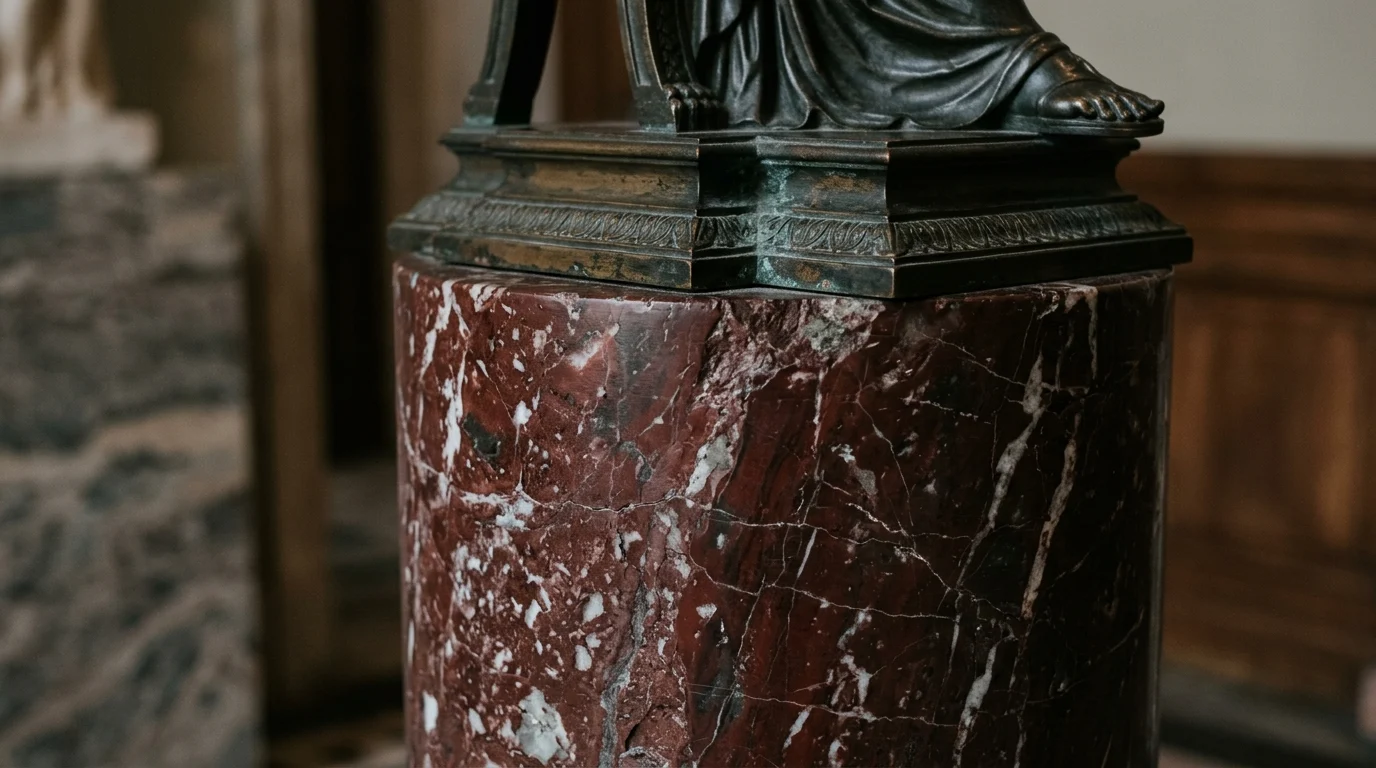
Restoration work focused on both the bronze figure and its distinctive pedestal. The statue itself was created by sculptor Richard Belt in 1880. It sits atop a plinth of Rosso Antico marble, a rare material that was donated by the Greek government in 1882 to honor the poet’s significant role in the Greek War of Independence.
Historical Significance
Byron, often described by contemporaries as “mad, bad, and dangerous to know,” is shown in a contemplative pose with Boatswain at his side. Its inclusion in the monument is a feature of the Grade II-listed design.
By moving the monument from the high-traffic corridor of Park Lane to Victoria Gate, organizers aimed to restore the visibility and accessibility of the work. The new site allows visitors to view the sculpture up close without the barrier of multi-lane traffic, returning the poet’s likeness to the “garden” context for which such Victorian-era memorials were originally intended.