

The Cairo Criminal Court has sentenced television presenter Sarah Khalifa and 11 other individuals to death for their roles in an organized drug manufacturing and trafficking operation. The ruling follows the mandatory consultation with Egypt’s Grand Mufti, a procedural requirement in the Egyptian judicial system for all capital cases.
The sentencing concludes a high-profile investigation into what was dubbed the “Grand Drug Case,” which involved a total of 28 defendants. In addition to the 12 death sentences, the court sentenced nine co-defendants to life in prison and acquitted seven others of the charges brought against them.
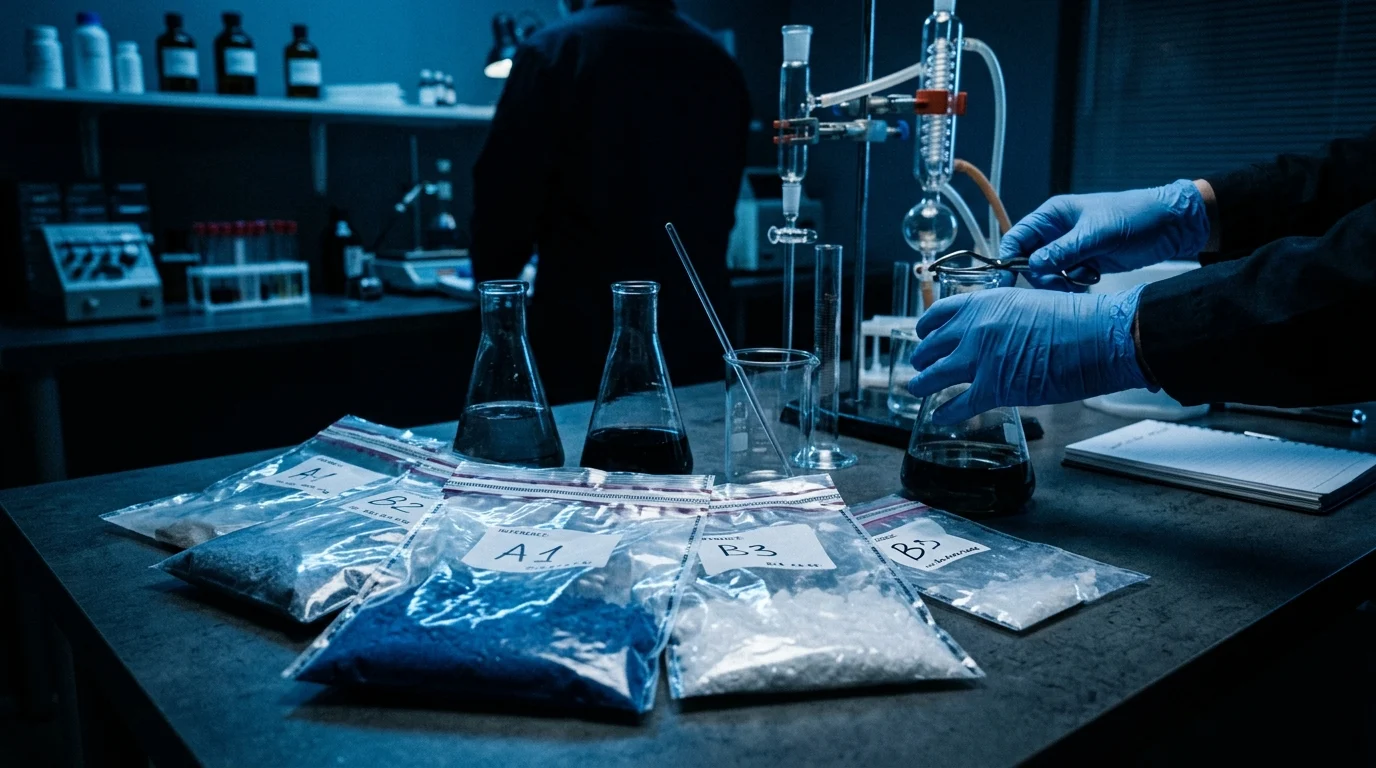
Khalifa was known as the host of “Mission Impossible,” a program on the private Al-Mehwar TV channel that focused on crime-fighting and national security. Prosecutors alleged that she and her associates operated an organized criminal gang that managed laboratories for the production of synthetic narcotics. During the investigation, authorities seized more than 750 kilograms of narcotics and raw materials from two apartments that had been converted into drug manufacturing sites.
Evidence presented during the trial included technical and digital data recovered from the defendants’ mobile phones, including videos and messages. Beyond her television career, Khalifa’s professional background included the management of a plastic surgery clinic and an event production company. Sarah Khalifa has denied all charges, asserting that she had never seen narcotics until she was photographed with them at the offices of the anti-narcotics authority following her arrest.
The death sentence remains subject to appeal. Under Egyptian law, defendants can challenge the verdict at the Court of Cassation, the nation’s highest court for criminal matters, which has the authority to uphold the sentence or order a retrial.
This verdict follows a separate legal development involving Khalifa. She was recently sentenced to five years in prison in an unrelated case involving the kidnapping and assault of a young man. The narcotics conviction, however, remains the most severe legal outcome facing the presenter to date.