

The 10-year U.S. Treasury yield reached 5.00% on September 15, 2026, marking its highest level since 2007. This milestone serves as a critical threshold for the broader economy, as the 10-year Treasury rate acts as the primary benchmark for pricing long-term debt, from residential mortgages to the credit lines that sustain small businesses.
The move to 5% suggests that the era of elevated borrowing costs is likely to persist, as rising bond yields lead to increased interest rates for mortgages and business loans.
The Direct Impact on Housing and Personal Debt
For the average American consumer, the most immediate consequence of rising yields is the increased cost of homeownership. While Treasury yields and mortgage rates do not move in perfect lockstep, they are closely correlated because they compete for the same pool of investor capital.
As of early September 2026, the average 30-year fixed-rate mortgage was recorded at 6.71%. While some benchmarks showed a slight weekly decline despite the rising Treasury yields, analysts suggest the spread between government bonds and consumer loans remains wide. A typical $450,000 home purchase now requires a significantly higher monthly debt service payment than it did in early 2026, effectively reducing the purchasing power of prospective buyers.
Beyond housing, the 5% yield environment exerts upward pressure on variable-rate credit. Small businesses that rely on floating-rate credit lines for payroll and inventory are seeing their interest expenses climb, often forcing a choice between raising consumer prices or scaling back expansion plans.
Competing for Capital: Debt Supply and the AI Surge
The surge in yields is driven in part by a massive increase in the supply of debt. The U.S. federal debt surpassed $40 trillion in July 2026. To fund this balance, the Treasury must issue a continuous stream of new bonds, which requires offering higher yields to attract sufficient buyers.
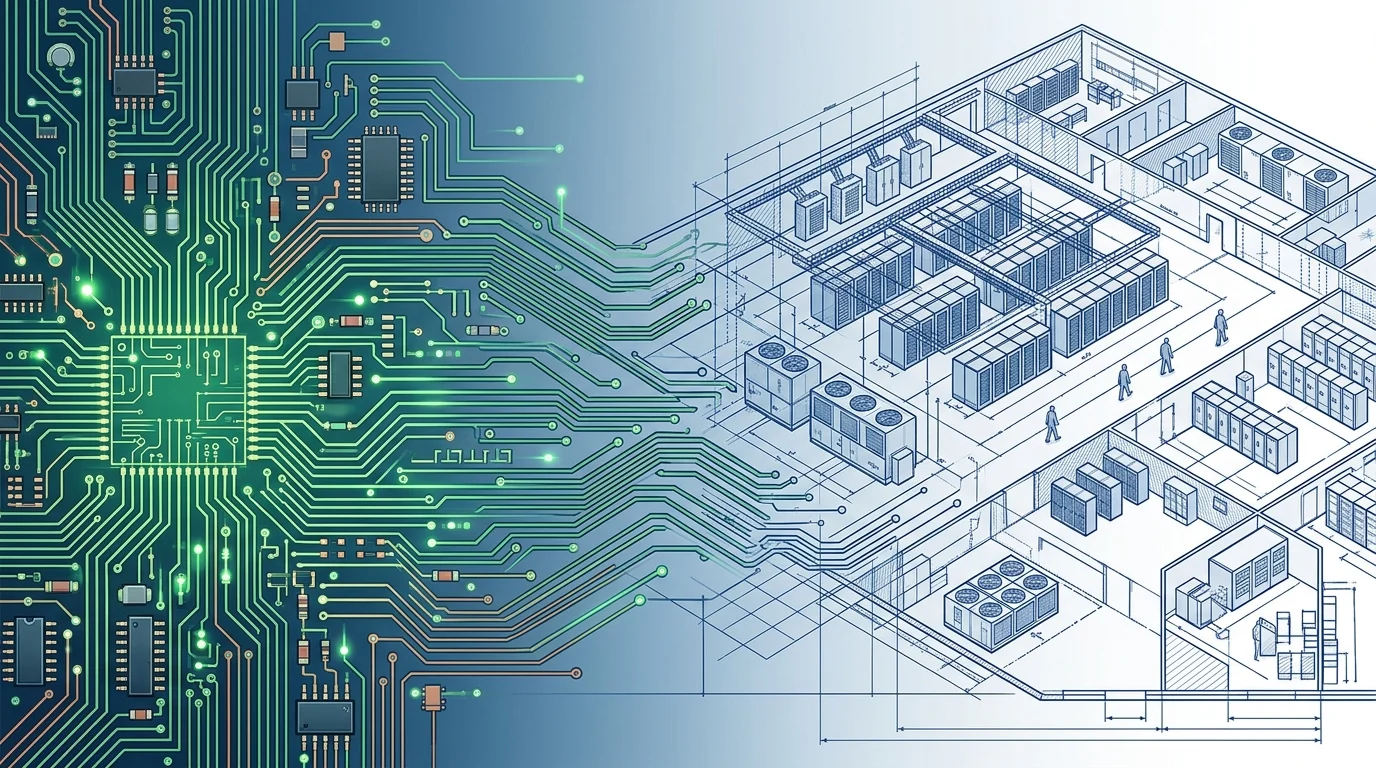
However, the government is not the only entity competing for capital. The technology sector has entered what market analysts describe as a “borrowing binge” to fund the rapid expansion of artificial intelligence infrastructure. Large technology firms are borrowing heavily to build data centers for AI, adding competition for capital in the bond market. This corporate demand for credit competes directly with government bonds, further pushing yields higher and crowding out smaller borrowers.
Why the 5% Threshold Matters
The 5% line is more than a round number; it represents a psychological and financial barrier for institutional investors. When government bonds—considered among the safest assets in the world—offer a 5% return, investors often pull capital away from riskier assets like stocks or emerging markets.
This transition re-prices the “American dream” by setting a higher floor for all forms of credit. The persistence of 5% yields suggests that the cost of carrying debt will remain a primary headwind for the U.S. consumer through the remainder of 2026.