
A multi-million pound investment in a new lithium extraction facility is set to bolster the UK’s electric vehicle (EV) supply chain, with commercial production targeted to begin in 2029.
Geothermal Engineering Limited (GEL) is investing approximately £43 million into the Cornwall-based project. The development is further supported by a nearly £10 million “Offer in Principle” from the government’s DRIVE35 Automotive Transformation Fund, a £2.5 billion national programme designed to accelerate the transition to zero-emission vehicles.
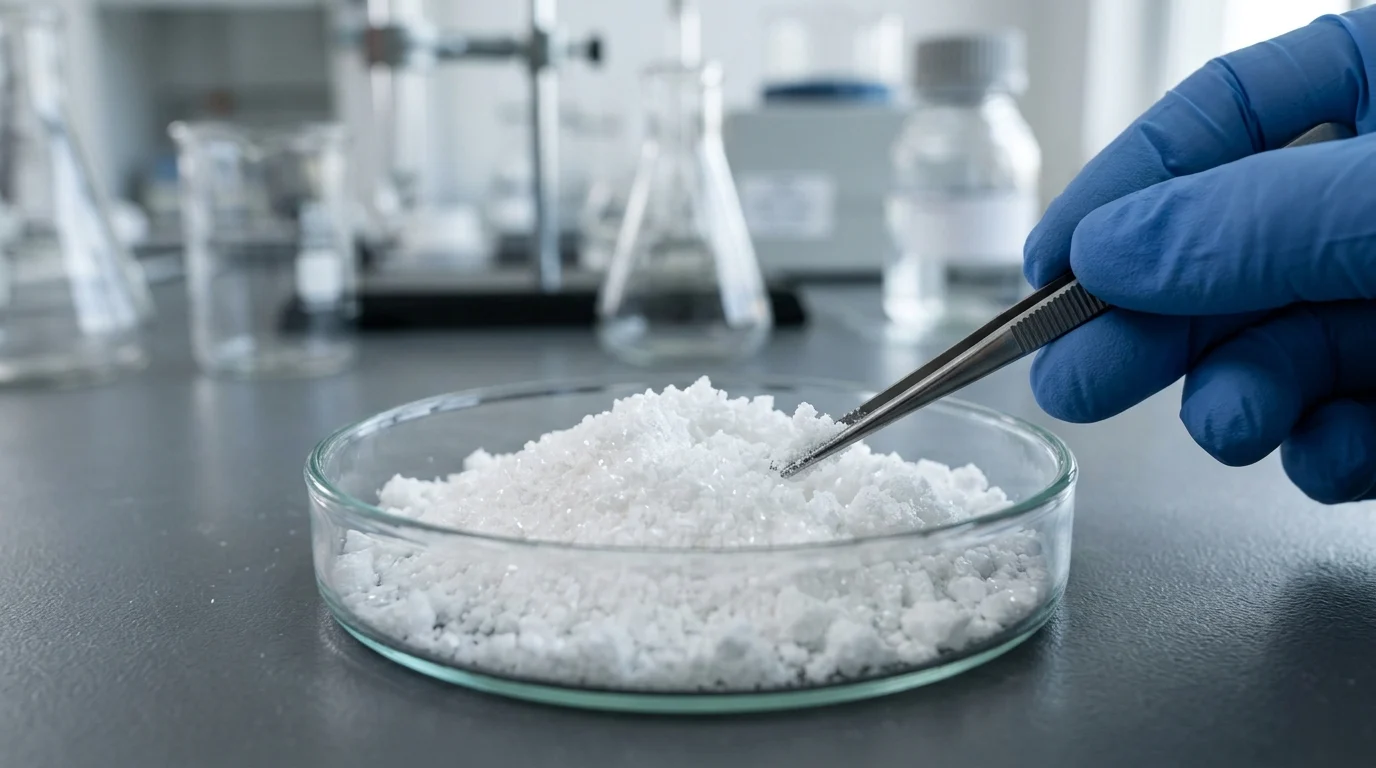
The facility is expected to produce 1,500 tonnes of technical-grade lithium carbonate annually. According to industrial estimates, this volume is sufficient to manufacture batteries for approximately 180,000 electric vehicles every year.
Geothermal extraction and production targets
While often described as a lithium mine, technical documentation defines the site as an extraction facility that recovers lithium from geothermal brine. This method is distinct from traditional hard-rock mining or large-scale evaporation ponds used elsewhere in the world.
The project follows a successful demonstration phase in February 2026, during which GEL produced technical-grade lithium with a purity of 99.3%. By reaching the 2029 target for commercial operations, the facility aims to provide a domestic source of a material currently largely imported from overseas.
The investment is expected to create 50 direct jobs in the region and support a further 80 roles within the wider UK supply chain. It forms part of a broader £230 million injection of private capital into the British lithium sector, which includes refinery projects in areas such as Teesside.
National industrial strategy
The Department for Business, Innovation, Science and Trade (BIST) has projected that global lithium demand will increase by 1,100% by 2035. Securing a domestic supply is considered a critical component of the UK’s industrial strategy to remain competitive in the global automotive market.
The DRIVE35 funding is specifically targeted at high-value projects that can demonstrate “supply chain resilience.” By integrating lithium extraction with geothermal energy production, the project aims to lower the carbon footprint associated with battery mineral sourcing.
Official figures suggest that the 1,500-tonne annual output will contribute significantly to the requirements of UK-based gigafactories, which are essential for the long-term viability of the British car manufacturing industry.