
The United Kingdom has pledged its commitment to overhauling United Nations peacekeeping operations, calling for a transition towards more agile and adaptable models to meet the complexities of 21st-century conflict.
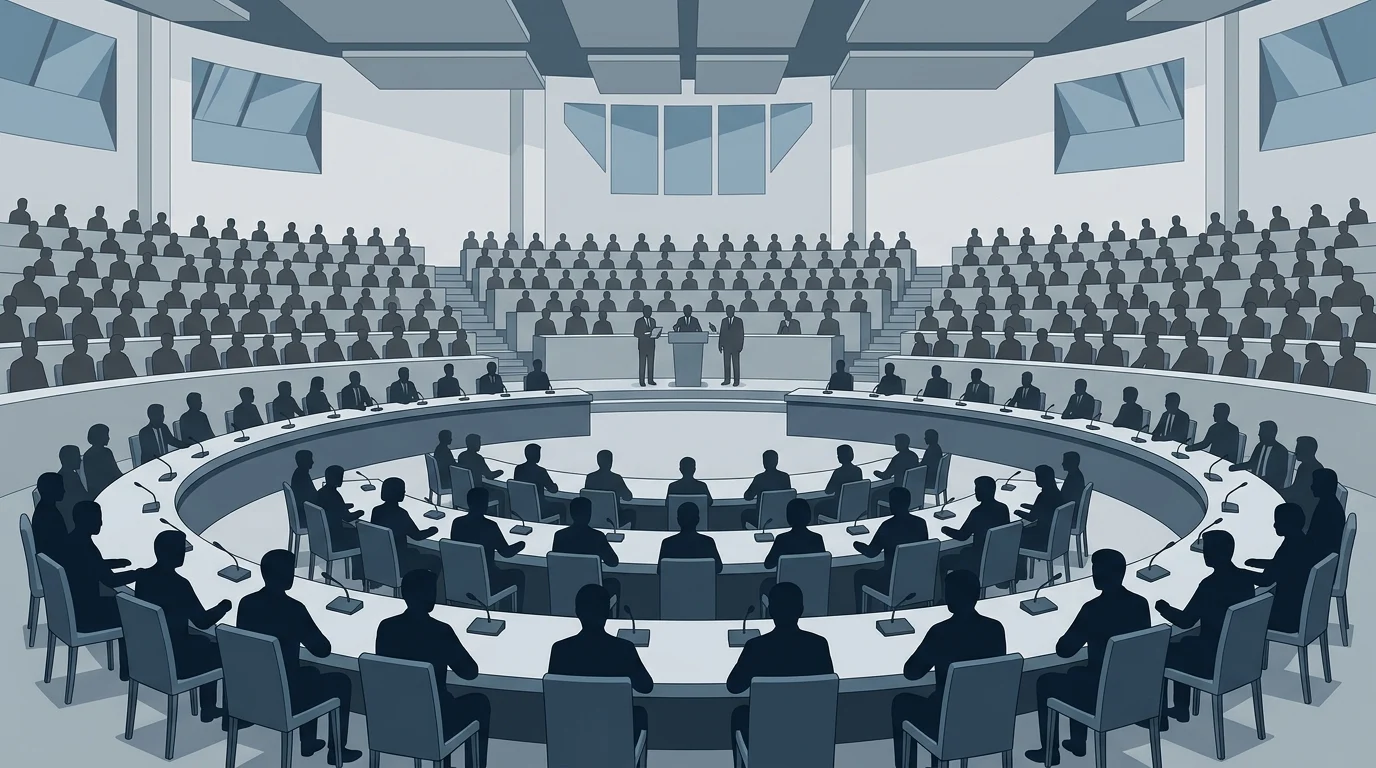
Speaking at the 10,226th meeting of the UN Security Council on 18 September 2026, Ambassador Kate Foster, the UK’s Deputy Permanent Representative to the UN, confirmed that Britain stands ready to work with the international body to ensure missions remain effective and “fit for the challenges ahead.”
The high-level debate focused on a new review of the future of UN peace operations, following mandates established in the 2024 “Pact for the Future.” The discussions were informed by a significant report from the Secretary-General, documented as S/2026/600, which examines how global interventions must evolve as traditional peacekeeping faces increasing pressure.
A Shift in Peacekeeping Strategy
During the session, Ambassador Foster emphasised that traditional peacekeeping models must become more responsive to modern political and security environments. The UK’s position aligns with a broader call from Secretary-General António Guterres, who urged the Security Council to clearly distinguish between traditional “peacekeeping”—which requires the consent of all parties—and “peace enforcement” in more volatile contexts.
The UK statement highlighted several key areas for reform:
- Ensuring missions are more agile and able to respond to rapid changes on the ground.
- Maintaining a clear distinction between different types of UN interventions.
- Fulfilling the reform mandates set out in the 2024 Pact for the Future agenda.
As a permanent member of the Security Council and a major financial contributor to the UN peacekeeping budget, the UK plays a central role in the mandate-setting process. Beyond financial support, Britain provides specialist military and police personnel to various global missions.
UN peacekeeping currently maintains a presence in several global hotspots, including long-standing missions in Cyprus (UNFICYP), South Sudan, and across the Middle East. The proposed reforms are intended to ensure these operations can navigate increasingly fragmented conflicts where traditional ceasefires are often fragile or non-existent.
The Security Council debate marks a critical step in a multi-year effort to modernise how the international community manages global stability. The UK has indicated it will continue to lead diplomatic efforts in New York to turn the recommendations of the Secretary-General’s report into active operational changes.