
- Who/What: Heat-Health Alerts issued by the Met Office and UKHSA due to temperatures exceeding 30°C.
- Where/When: Across South East England, including Sussex, Hampshire, and Kent, during late July.
A significant period of hot weather has settled across the South East of England, prompting official warnings and impacting infrastructure across Sussex, Hampshire, and Kent. The Met Office, in conjunction with the UK Health Security Agency (UKHSA), issued Heat-Health Alerts for the region in late July as temperatures reached or exceeded 30°C (86°F) during the peak of the event.
The prolonged high temperatures have led to a coordinated response from public health officials and transport authorities to mitigate the risks associated with extreme heat. Residents and businesses are being urged to adapt their daily routines as the region grapples with the thermal spike.
Travel Disruption and Rail Infrastructure
The heatwave has placed considerable pressure on the region’s transport network. Network Rail has confirmed that engineers are closely monitoring track temperatures across the South East. Direct sunlight can cause steel rails to expand and, in extreme cases, buckle, posing a safety risk to moving trains.
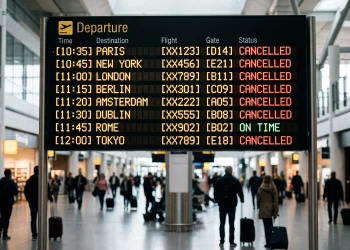
Rail operators, including Southern and Southeastern, have advised passengers to check their journeys before travelling. According to Network Rail, precautionary speed restrictions may be introduced if track temperatures reach critical levels. These measures are designed to reduce the force exerted on the rails but can result in delays and altered timetables for commuters travelling through Chichester and the wider Sussex area.
Those travelling to support local sports or attending coastal fixtures should remain aware of potential delays, particularly when assessing this season’s showing from the South Coast clubs and planning transport to matches.
Public Health and NHS Advice
The UKHSA and the National Health Service (NHS) have issued specific guidance to help residents manage the impact of the heat. Health officials are particularly concerned about vulnerable groups, including the elderly, young children, and those with underlying health conditions.
Official NHS guidelines recommend that residents:
- Stay hydrated by drinking plenty of fluids and avoiding excess alcohol.
- Keep living spaces cool by closing curtains on windows that face the sun.
- Avoid the sun during the hottest part of the day, typically between 11:00 and 15:00.
- Check on vulnerable neighbours and relatives.
As residents seek indoor alternatives to outdoor activities, many are reviewing local listings for air-conditioned venues. This includes checking what’s on in Chichester this week to find theatre performances or museum talks held in temperature-controlled environments.
Impact on Utilities and Agriculture
Water companies, including Southern Water and South East Water, are reportedly monitoring consumption levels as demand for water typically surges during heatwaves. While no immediate restrictions have been announced, residents are encouraged to use water wisely to maintain pressure across the network.
The agricultural sector and local trusts are also taking precautions. For instance, organisations like the Aldingbourne Trust must ensure that livestock and animals remain shaded and hydrated during the peak heat. Similarly, organisers of outdoor community events, such as when all the fun of the fayre as the Brinsbury show gets ready, must account for high temperatures in their health and safety planning.
Cultural venues are also preparing for the influx of visitors seeking shade. The Chichester Festival Theatre, which recently hosted Ian McKellen’s solo show at the Minerva venue, continues to be a popular destination for those looking to enjoy world-class entertainment away from the direct glare of the sun.
The Met Office continues to monitor weather patterns, with residents advised to stay updated via local news and official weather apps for any changes to the current Heat-Health Alerts.