


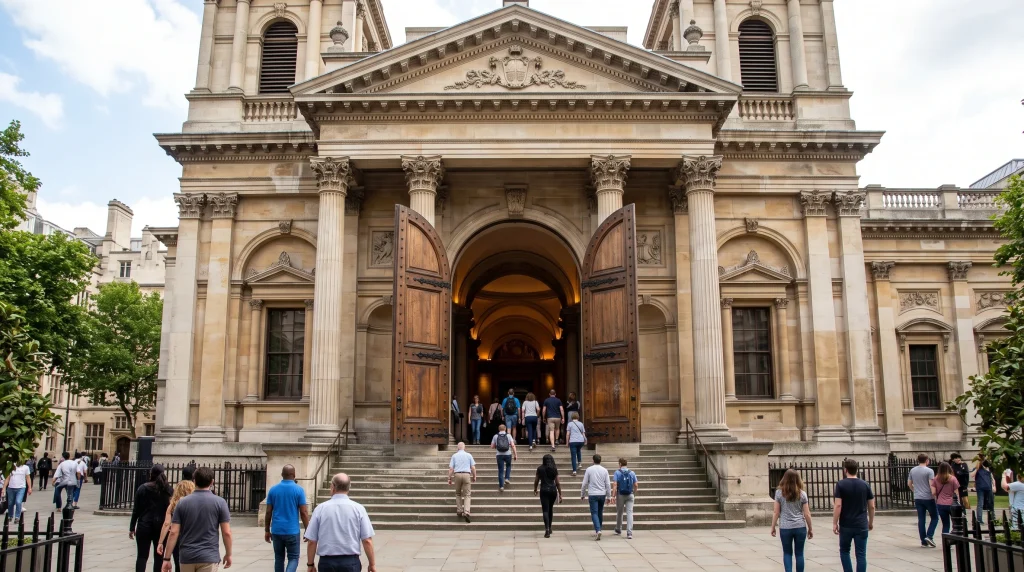
The UK government has officially confirmed that national museums will remain free for all visitors, ending months of speculation over a potential “tourist tax” for international travelers. Culture Secretary Lisa Nandy finalized the decision on September 29, 2026, recommitting to the universal access model that has defined the British cultural sector for over two decades.
The announcement follows high-level discussions within the Department for Culture, Media and Sport (DCMS) regarding whether charging foreign visitors could help alleviate significant budget deficits. While government ministers held discussions on whether charging foreign tourists could alleviate budget deficits within the cultural sector, they ultimately determined that the strategic value of free entry outweighs the immediate revenue potential.

The decision provides certainty for the 2027 tourism season, ensuring that landmark institutions such as the British Museum, the National Gallery, and the Victoria and Albert Museum (V&A) stay accessible to the public without a mandatory ticket price. According to official government statements, the policy is viewed as a vital component of the UK’s soft power and tourism economy.
Financial Pressures and Maintenance Backlogs
The commitment to free entry comes at a challenging time for the heritage sector. Museum directors have frequently raised concerns over a combined maintenance backlog and rising operational costs, estimated to exceed £100 million across the national portfolio. Inflation and soaring energy prices have further squeezed the budgets of major galleries.
While core entry remains free, institutions are expected to continue relying on “blockbuster” temporary exhibitions, commercial ventures, and voluntary donations to bridge the funding gap. Recent financial reports from the V&A and the British Museum indicate a strong post-pandemic recovery in visitor numbers, yet the cost of preserving historic Grade I-listed buildings remains a primary concern for curators.
The Legacy of the 2001 Policy Shift
The UK’s current model was established in 2001 when entry fees were abolished for all national museums. The shift led to a transformative impact on cultural participation, with visitor numbers increasing by 180% over the following decade. Proponents of the policy argue that this high footfall generates significant indirect revenue for the broader economy through hospitality, transport, and retail spending by tourists.
The government’s stance remains firm. The UK’s Culture Secretary confirmed that no legislative changes will be pursued to allow national museums to charge for core admission, maintaining a point of differentiation for the UK’s tourism appeal.
While the “free for all” mandate applies to national institutions funded directly by the taxpayer, regional museums and those managed by independent trusts may still set their own admission policies. For the country’s most famous landmarks, however, the doors will remain open to all, regardless of their country of origin.