


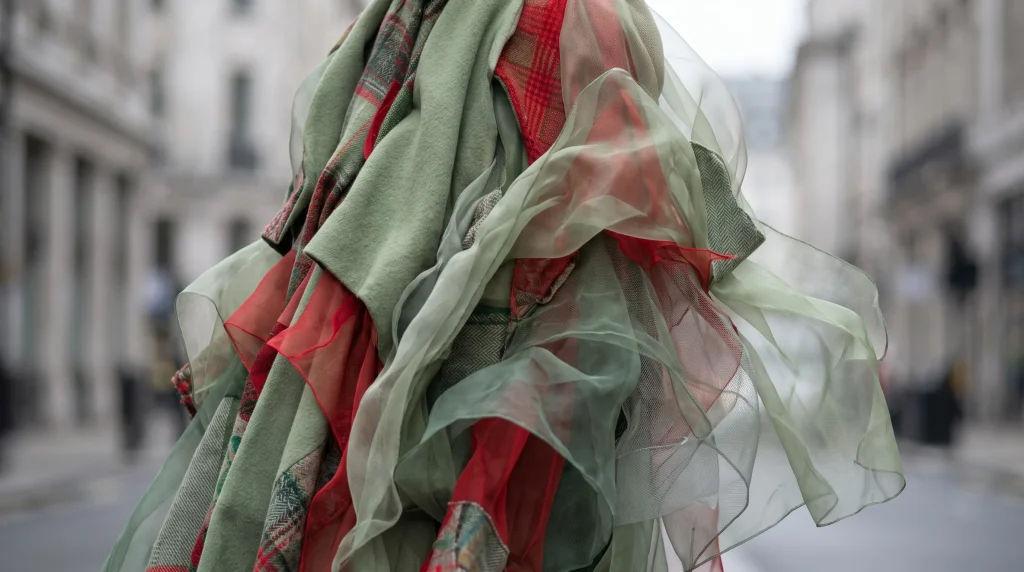
London Fashion Week concluded its Spring/Summer 2027 showcase on September 21, 2026, marking a significant “homecoming” for several of the United Kingdom’s most storied fashion houses. The five-day event, which began on September 17, signaled a shift toward “relatability” and wearable luxury, anchored by major returns and milestone debuts.
The season was defined by the return of Alexander McQueen to the official British Fashion Council schedule for the first time in 25 years. Under the creative direction of Seán McGirr, the brand moved its primary presentation from Paris back to its London roots. Similarly, Christopher Kane made a high-profile return to the runway after a multi-year hiatus, debuting his first collection as the creative director for Mulberry. The show represented the first runway appearance for the heritage leather goods brand since 2017.
1. Hand-Drawn Gingham and Reimagined Checks
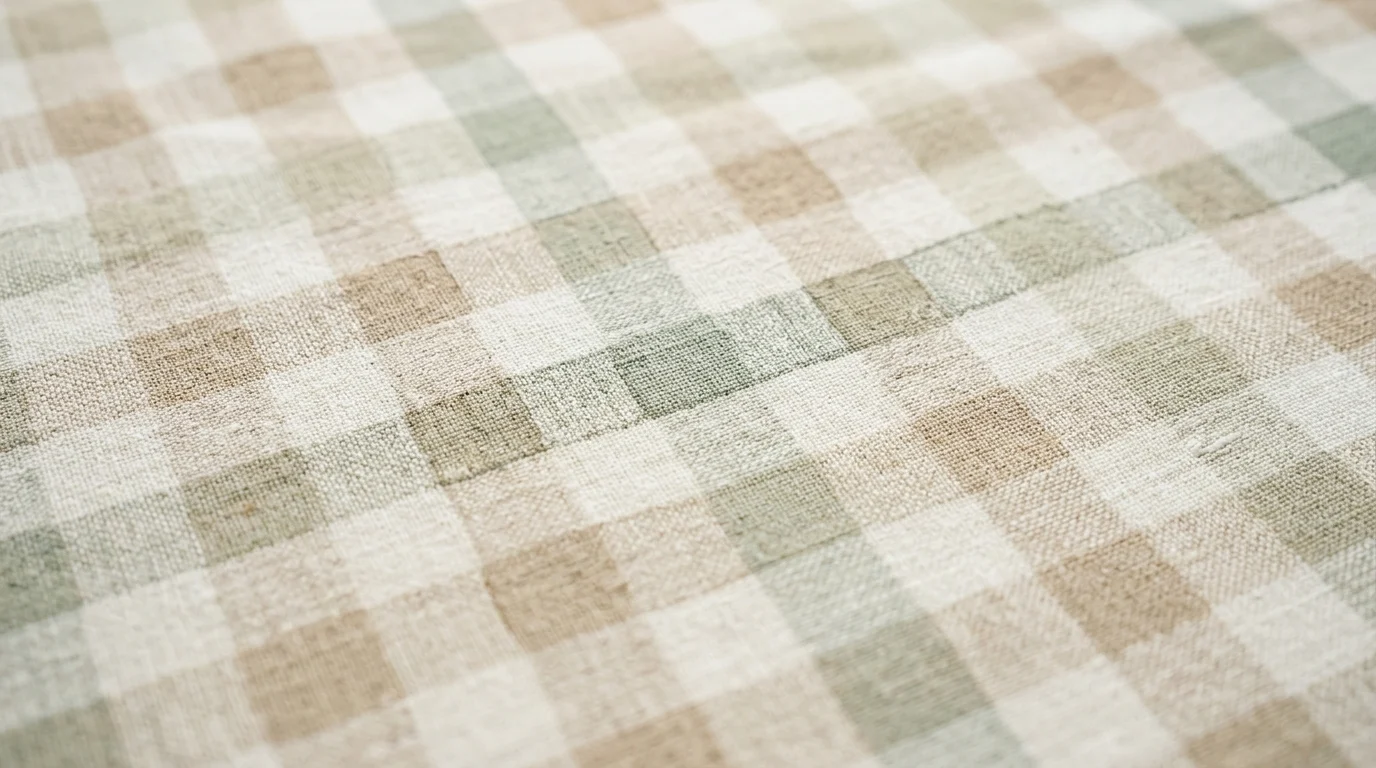
In a notable departure from its traditional rigid patterns, Burberry utilized its closing slot to introduce a softer, more artistic version of its signature house check. Creative director Daniel Lee collaborated with 85-year-old textile artist Celia Birtwell to reimagine the check as a hand-drawn gingham print.
According to The Zoe Report, this collaboration infused the Spring/Summer 2027 collection with a sense of “lived-in” luxury. The print appeared across a variety of summer weights, signaling a move away from the high-contrast palettes of previous seasons toward more muted, tonal variations of the classic British pattern.

2. Fringing and Kinetic Tassels
Movement emerged as a primary theme for the spring season, specifically through the use of heavy fringing and tassels. This trend was championed both by high-end designers and retail giants. Marks & Spencer, making its official London Fashion Week debut to celebrate its 100th anniversary, featured extensive fringing in its anniversary collection.
The aesthetic was mirrored in the works of Ahluwalia, where tassels were used to add texture and a sense of fluidity to evening and daywear alike. The trend suggests a shift toward tactile garments that respond to movement, moving away from the static, structured silhouettes of recent winter cycles.
3. The “Bubble Hem” and Gauzy Trenches
The traditional British trench coat underwent a technical transformation for 2027. Burberry introduced “bubble hem” variations of its iconic outerwear, creating a more voluminous, rounded silhouette at the waist and hips. In addition to the structural changes, the collection leaned heavily into transparency, featuring gauzy, sheer versions of the trench coat designed for light spring layering rather than heavy weather protection.
4. Scarlet Bomber Jackets
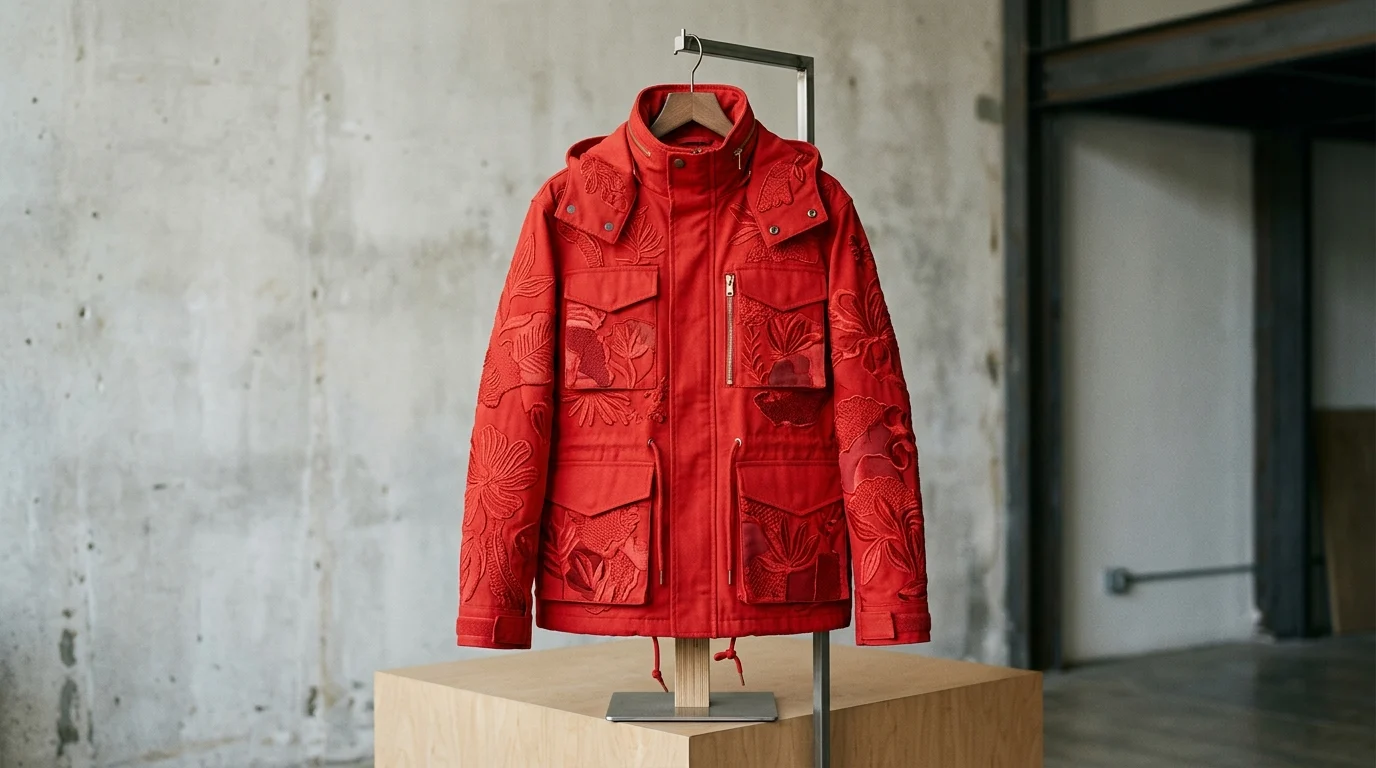
While neutral tones remained a staple for many heritage brands, Simone Rocha introduced a sharp injection of color that dominated industry discussion. Scarlet bomber jackets became a focal point of her spring collection, often paired with more delicate or avant-garde elements. This trend highlights a continued interest in utilitarian outerwear but updated with bold, primary colors and softened by Rocha’s signature feminine details, such as beaded floral motifs.
5. The “No Mascara” Beauty Aesthetic
The runways also established a clear direction for beauty, moving toward a “bare-faced” aesthetic that specifically omits mascara. This reaction against maximalist beauty trends was observed across multiple shows, emphasizing raw skin textures and natural lashes.
While some designers experimented with theatrical elements, the broader consensus leaned toward a minimalist, clean-slate look. This “no mascara” trend aligns with the “lived-in” and “relatable” themes seen in the garment collections, prioritizing a relaxed, unstudied appearance for the Spring/Summer 2027 season.