


The Fish Health Inspectorate (FHI) has confirmed an outbreak of Koi herpesvirus (KHV) at a site in Milton Keynes, triggering immediate statutory controls and a reminder to fishery owners across England and Wales regarding biosecurity protocols.
The outbreak was confirmed at Tree Farm in Aspley Guise on 10 September 2026, with the official notice published on 14 September. KHV is a notifiable disease under the Aquatic Animal Health (England and Wales) Regulations 2009, meaning any suspicion of the virus must be reported to the authorities immediately.
Following the confirmation, the FHI has imposed strict movement restrictions at the affected site. These controls prohibit the movement of any aquatic animals, including fish, eggs, and gametes, into or out of the fishery without written consent from the inspectorate. This measure is designed to prevent the spread of the virus to other waterways and commercial carp stocks.
Understanding Koi Herpesvirus
Koi herpesvirus primarily affects all varieties of common and ornamental carp (Cyprinus carpio), including ghost koi and mirror carp. While the virus can be devastating to fish populations, with high mortality rates in susceptible stocks, there is no risk to human health.
The disease typically becomes active when water temperatures rise, usually between 16°C and 28°C. Infected fish may display several physical symptoms, including:
- White or brown necrotic (dead) patches on the gills.
- Sunken eyes.
- Rough patches on the skin or mucus production changes.
- Lethargic behaviour or gasping at the water surface.

Updated Management Strategy
The 2026 outbreak comes following a significant shift in how the FHI manages KHV within recreational fisheries. As of June 2026, the inspectorate moved to a more proportionate, risk-based approach for managing the disease. This strategy focuses on containment and biosecurity rather than blanket closures, though movement bans remain a primary tool for confirmed cases.
Fishery owners are required to manage outbreaks with specific attention to the disposal of dead fish. Under current regulations, any carcasses must be disposed of using Category 2 animal-by-product waste methods to ensure the virus is not accidentally spread through environmental contamination.
Advice for Anglers and Fishery Owners
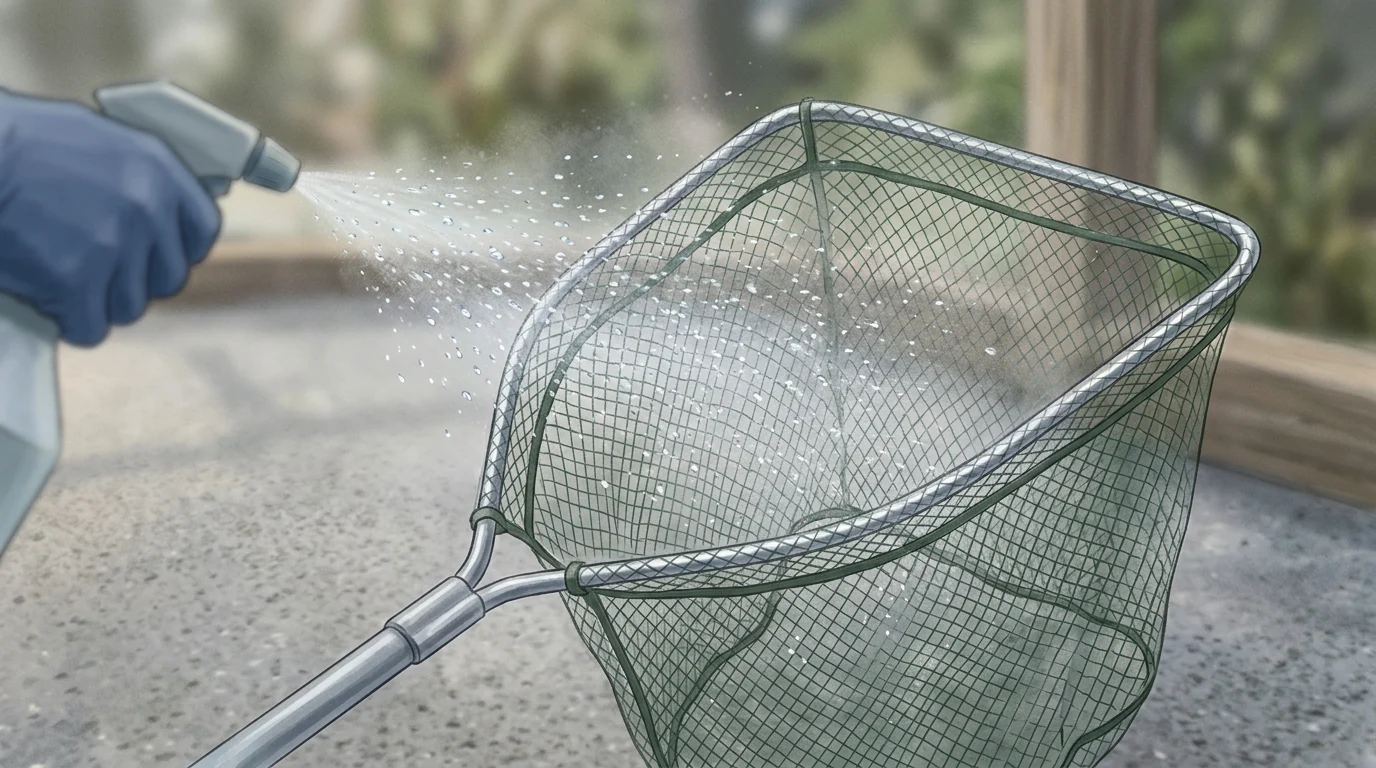
To help prevent the spread of KHV nationally, anglers are urged to follow “Check, Clean, Dry” protocols. This is particularly important for equipment such as nets, slings, and unhooking mats, which should be thoroughly dried—ideally in direct sunlight—before being used at a different location.
Fishery owners and members of the public who suspect an outbreak of KHV or notice unusual fish deaths must contact the Fish Health Inspectorate immediately. The FHI can be reached via telephone on 01305 206700 or by emailing their duty office.
The Milton Keynes site will remain under statutory control until the FHI is satisfied that the risk of transmission has been mitigated and the requirements of the formal notice have been met.