


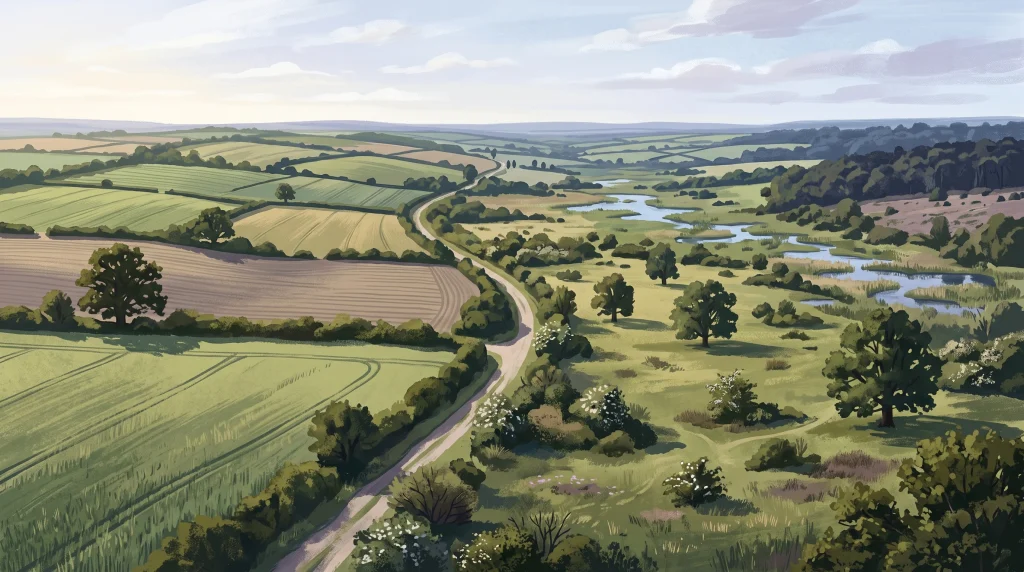
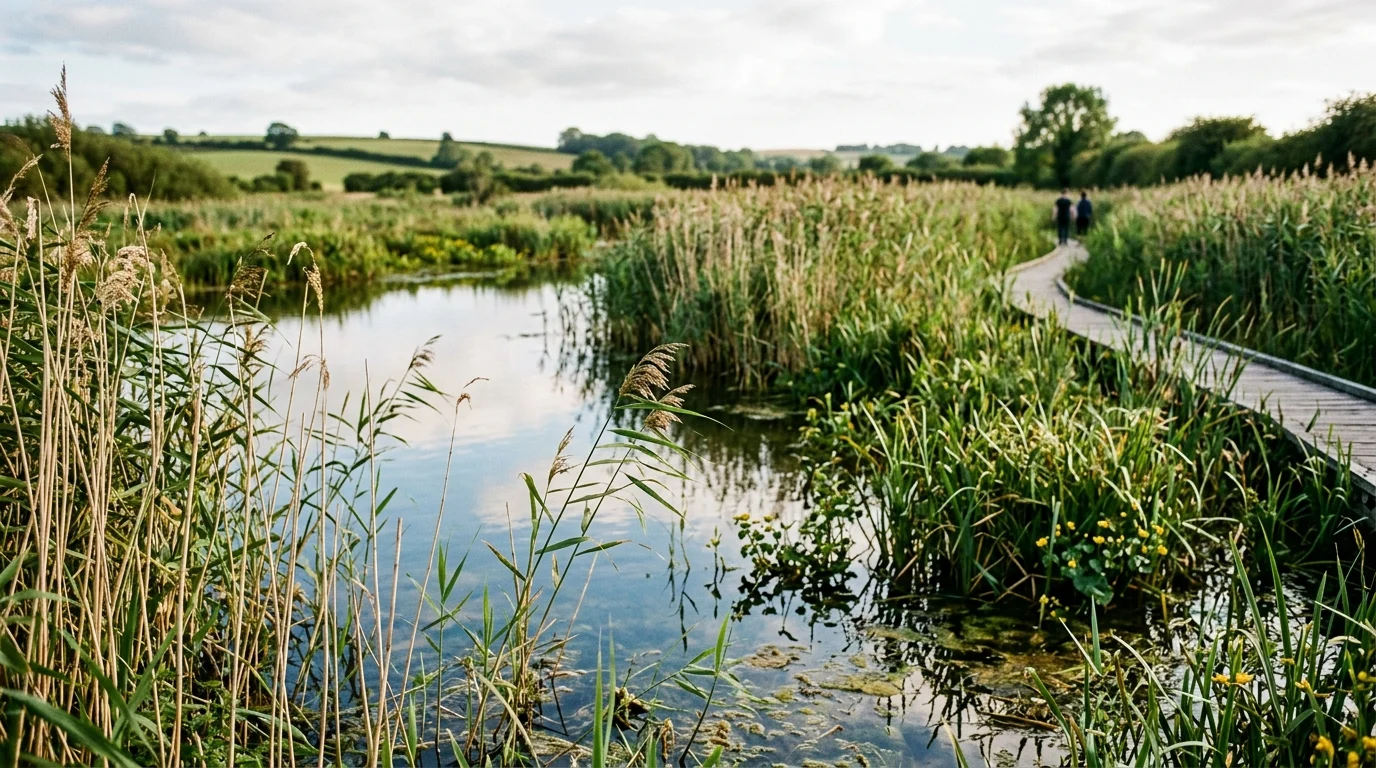
Herstmonceux Castle Estate is set to transform 240 acres of its farmland into a biodiversity haven as part of a major new rewilding initiative in East Sussex. The project will see ecologically depleted land converted into a “living laboratory” featuring wood pasture, grassland, scrub, and wetland habitats.
The scheme is a partnership between Bader College, which serves as the UK campus of Queen’s University in Canada, and nature restoration specialist Nattergal. It represents a significant shift for the estate.

Biodiversity Net Gain and long-term protection
The restoration is being funded through the sale of Biodiversity Net Gain (BNG) credits, a market mechanism established under the UK’s Environment Act 2021. This system allows developers to compensate for environmental impacts by investing in nature recovery elsewhere.
To ensure the environmental benefits are permanent, a 30-year conservation covenant will be established. This legal agreement protects the land for at least three decades, safeguarding the new habitats as they mature. According to Queen’s University, the project aims to demonstrate how historic estates can play a central role in modern environmental recovery.
A key element of the management plan includes the introduction of free-roaming herbivores, including cattle and pigs. These animals will act as natural engineers, their grazing and foraging habits helping to create a diverse mosaic of vegetation that supports a wider variety of insects, birds, and small mammals.
Public access and launch events
The estate has confirmed that official launch events for the rewilding project will take place on 25 and 26 October 2026. These events are intended to introduce the public to the plans and the new “living laboratory” concept, which will provide research opportunities for students and visiting scientists.
The environmental initiative follows a recent £3.5 million restoration of the castle building itself. The south wing of the historic 15th-century brick castle underwent extensive structural repairs in 2023 to address long-term maintenance issues, ensuring the landmark remains the centrepiece of the estate as the surrounding grounds transition to their new wilder state.