


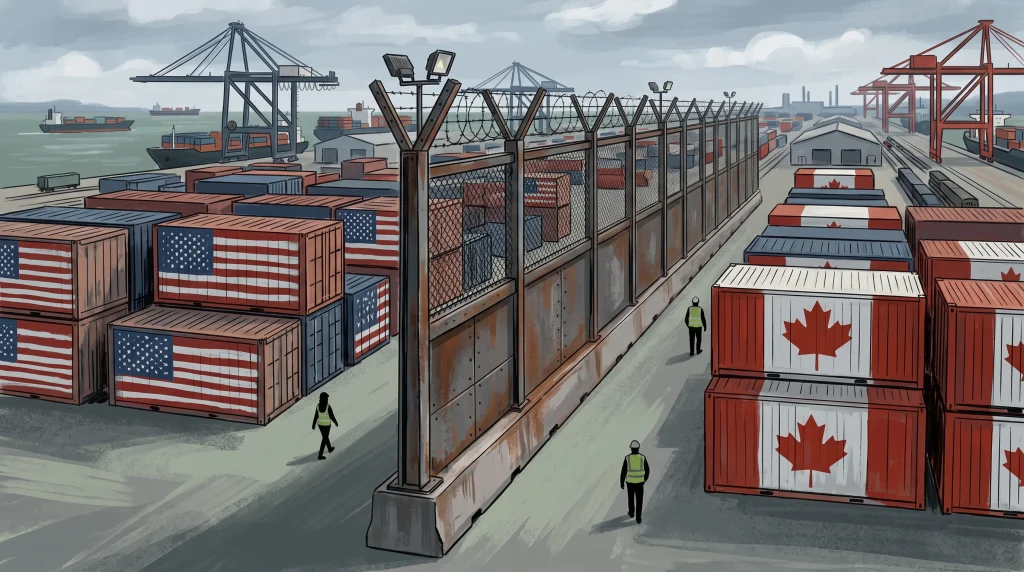
The United States government announced a sweeping import ban on Canadian dairy products, motorcycles, and nearly all categories of alcohol on September 8, 2026. The move marks a significant escalation in North American trade relations, shifting from the imposition of tariffs to the total prohibition of specific goods at the border.
The ban is scheduled to take effect on September 29, 2026. It targets a broad array of Canadian spirits and beverages, including rye, gin, vodka, tequila, wine, cider, and malt beer. Notably, the order also extends to non-alcoholic beer. The restrictions also cover dairy products.
President Donald Trump authorized the measure by invoking Section 338 of the Tariff Act of 1930. This rarely used legal mechanism grants the president the authority to impose an absolute ban on imports from any country found to be discriminating against United States commerce. The invocation of Section 338 follows the total breakdown of trade negotiations between the two nations in August 2026.

Timeline of the Escalation
The U.S. announcement arrived as a same-day response to Canadian retaliatory measures. At 12:01 AM on September 8, the Canadian government, led by Prime Minister Mark Carney, implemented tariffs on $20 billion USD (approximately $27.6 billion CAD) of American goods. Canada’s list of targeted U.S. imports includes steel, aluminum, household appliances, agricultural equipment, and various dairy products.
In a statement regarding the countermeasures, the Department of Finance Canada characterized the move as a necessary response to protect domestic workers and businesses. Carney has remained firm on the retaliatory schedule despite the threat of further American restrictions.
The friction has also extended into the public sphere and government procurement. President Trump has publicly called for a boycott of the Canadian aerospace manufacturer Bombardier. Additionally, the White House directed the General Services Administration (GSA) to declare Canadian products and firms ineligible for large U.S. government contracts as of September 8, effectively barring them from federal procurement opportunities.

Impact on Markets and Supply Chains
The transition from tariffs to an outright ban creates immediate logistical hurdles for retailers and distributors. Unlike tariffs, which increase the cost of goods but allow for their continued flow, the September 29 deadline establishes a hard cutoff for Canadian spirits and motorcycles entering the U.S. market. For American liquor stores and hospitality businesses, the ban on Canadian rye and beer brands could lead to significant inventory shifts as existing stocks are depleted without the possibility of replenishment.
Industry analysts note that the inclusion of motorcycles and dairy products indicates a strategy of targeting high-value manufacturing and agricultural sectors simultaneously. While the ban does not apply to goods already in transit before the deadline, the proximity of the effective date leaves little room for businesses to adjust their supply chains or find alternative sourcing for specialized Canadian products.
The current trade posture is the most severe since the breakdown of bilateral talks last month. With both governments now enforcing total bans or heavy tariffs on billions of dollars in trade, the economic relationship between the two neighbors has reached its most constrained point in decades.