


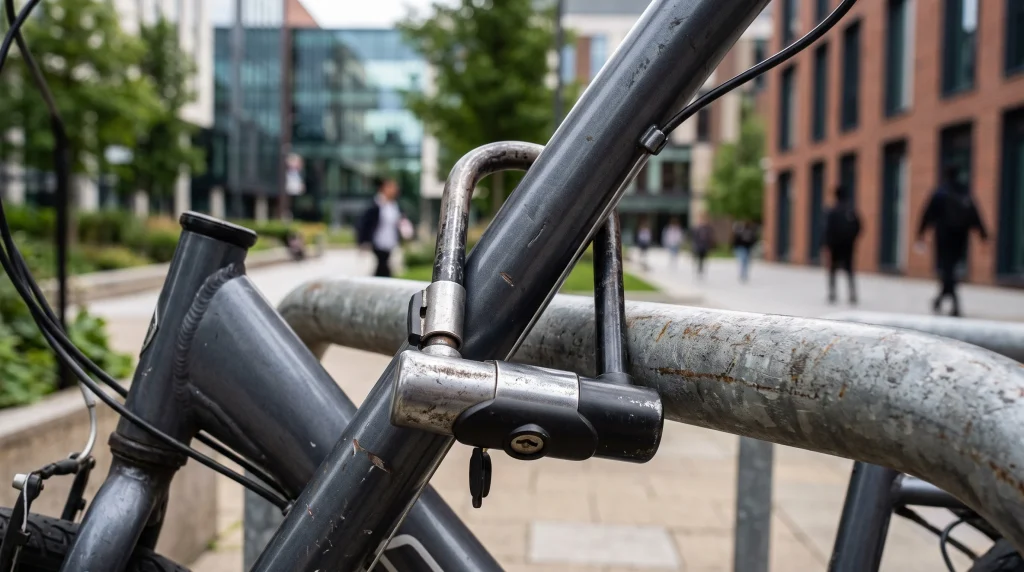
Freshers’ Week marks a significant seasonal spike in property theft, with bicycles now accounting for nearly one in five insurance claims made by students. Recent Aviva data indicates that 19% of all student possession claims are related to bicycle theft, highlighting a growing vulnerability for those arriving on campus for the first time.
The rise in thefts often coincides with the first few weeks of the academic year as students bring expensive new equipment to university. Security experts and police services are warning students to update their physical security measures and review insurance policies that may already offer coverage through their parents’ home insurance.
Advanced Bike Security: The 2026 Standard
While standard D-locks were once considered sufficient, the prevalence of cordless power tools has changed the requirements for cycle security. For 2026, security experts recommend “Sold Secure Diamond” rated locks. Unlike the Gold standard, Diamond-rated locks are specifically tested to resist sustained attacks from portable angle grinders, which have become a primary tool for organized bike thieves in university towns.
Locking technique is as critical as the hardware itself. Students are advised to secure the frame and both wheels to a solid, immovable fixture. Because cycle thefts soar during the initial weeks of the term, many universities now offer subsidized D-locks or secure bike hubs that require fob access. If your accommodation provides a communal bike shed, check if your insurance requires the bike to be locked to a “ground anchor” or a fixed point inside the shed to remain valid.

Urban Risks and ‘Moped-Snatch’ Tactics
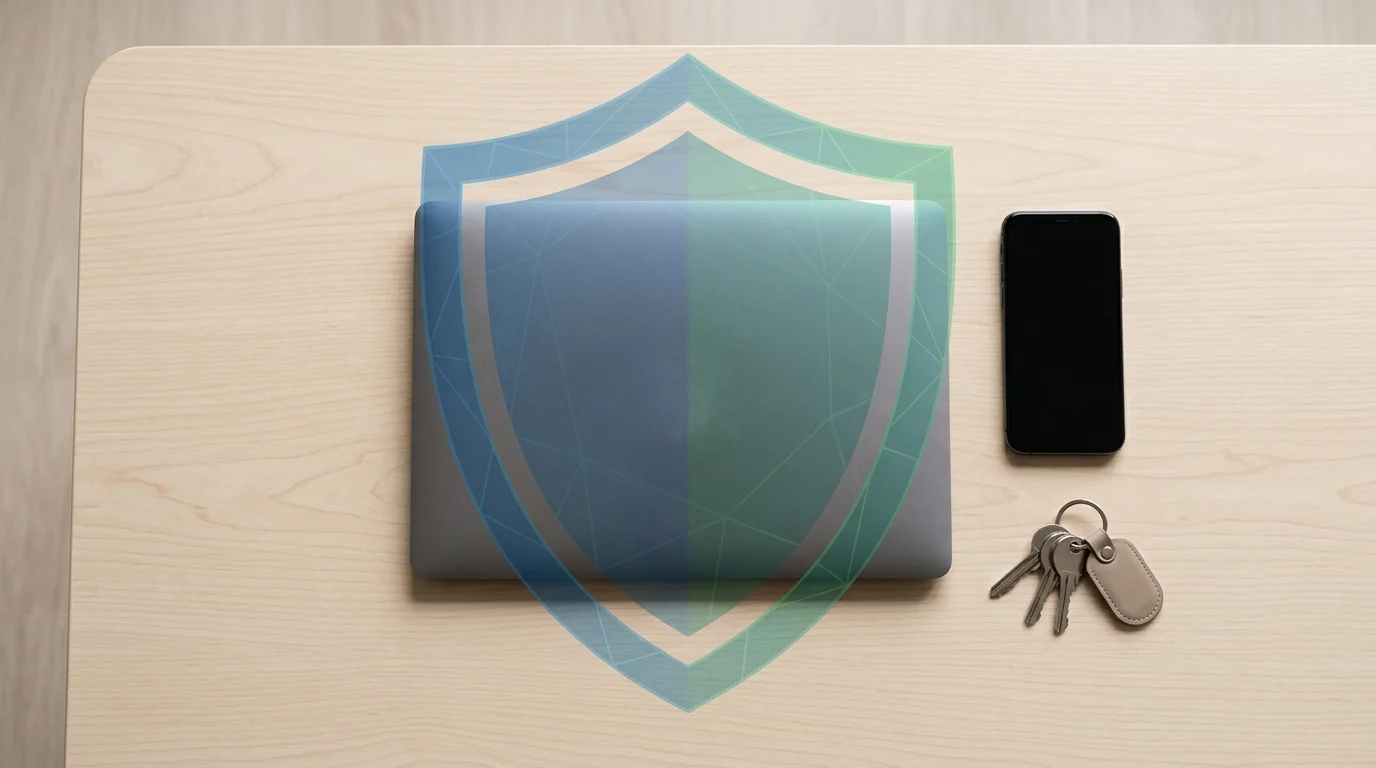
In major university hubs like London, Birmingham, and Manchester, “theft from the person” has become a specific concern. A rising trend involves “moped-snatch” robberies, where thieves on bikes or scooters target pedestrians using their phones near the roadside. To mitigate this risk, students are encouraged to use hands-free kits and avoid walking with their phones visible near the edge of the pavement.
For laptops and tablets, the risk is highest in public study spaces. Library thefts often occur when devices are left unattended for only a few minutes. Security experts suggest using Kensington cable locks for laptops in public spaces or simply never leaving hardware unsupervised, even in “secure” university buildings.
Insurance Nuances and Registration
One of the most frequent mistakes students make is purchasing a dedicated insurance policy without checking their family’s existing coverage. Many standard UK home insurance policies include a “temporarily removed” clause. This provision often covers a student’s belongings while they are living in university halls or rented accommodation, provided the permanent residence remains the family home.
Before buying a separate premium, students should verify the following with their provider:
- The maximum value limit for a single item (e.g., a high-end MacBook may exceed standard limits).
- Whether the policy covers “accidental damage” outside of the room.
- Specific lock requirements for bicycles to ensure a claim is not rejected.
Finally, registering high-value items on national databases like Immobilise or BikeRegister is a vital step for recovery. These databases are used by police to check recovered property. If an item is stolen and later found by officers, a registered serial number is often the only way to prove ownership and facilitate the return of the device.