


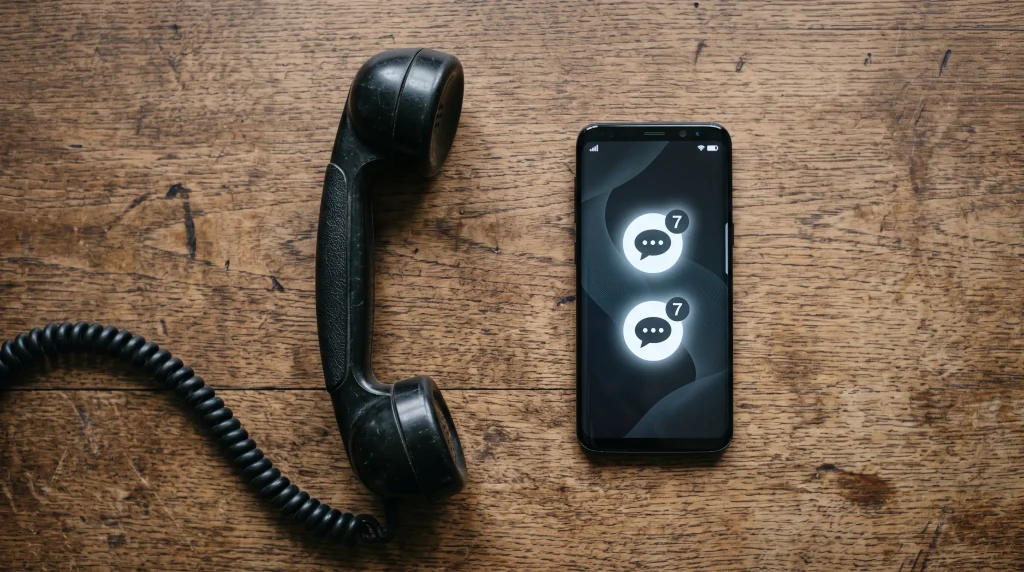
The standard practice of sending a quick text or email to report an illness is being challenged by government advisers as a primary factor in long-term workplace disengagement. Sir Charlie Mayfield, chair of a government-backed occupational health taskforce, recommends that employees should personally phone their managers when taking sick leave to maintain a human connection and prevent a phenomenon described as “drifting” away from the workforce.
The recommendation comes as the UK faces a significant economic challenge, with approximately 2.8 million people currently classified as economically inactive due to long-term sickness. According to Mayfield, the transition from voice-to-voice communication to digital messaging has made it easier for employees to feel disconnected from their roles, potentially lengthening the duration of their absence.


The Risk of Digital Disconnection
The core of the taskforce’s argument rests on the psychological impact of communication methods. While a text message is convenient, Mayfield suggests it lacks the nuanced interaction required to discuss support or potential adjustments that could facilitate a return to work. When communication is reduced to a screen, the link between the individual and their professional environment weakens more rapidly.
By encouraging direct verbal contact, the strategy aims to identify early signs of long-term health issues before they lead to permanent withdrawal from the labor market.
Addressing Managerial Hesitation
A significant hurdle in implementing this approach is what Mayfield identifies as “managerial fear.” Reported claims from the taskforce suggest that many supervisors avoid calling sick employees because they are concerned about appearing to harass staff or infringing on their privacy. This reluctance can lead to a communication vacuum during the first few days of an illness, which are often critical in determining the trajectory of an absence.
To bridge this gap, the taskforce is looking to expand the reach of Occupational Health (OH) services. Currently, only about 45% of the UK workforce has access to such support, a figure largely skewed toward employees in major firms. The government-backed initiative aims to increase this percentage, providing managers with the tools and training to conduct these conversations effectively without overstepping legal or personal boundaries.
Economic Context and Retention
The push for personal contact is not merely about office etiquette but is viewed as a vital retention strategy. With record-high figures for long-term sickness, the taskforce argues that the initial point of contact when someone falls ill is the first line of defense against long-term unemployment.
For many workers, particularly those in small and medium-sized enterprises without dedicated HR departments, the manager’s response to a sick call can define their future relationship with the company. Mayfield’s findings suggest that while a phone call may be more daunting than a text, it serves as an essential bridge that keeps the door open for a quicker, more supported return to the workplace.