


A technical failure at the National Air Traffic Services (NATS) Prestwick control center on Monday, September 21, 2026, has triggered a new wave of flight cancellations and renewed demands for leadership reform within the UK’s aviation infrastructure. The incident marks the second major system failure in 14 days, following a massive disruption on September 8 that grounded more than 2,000 flights.
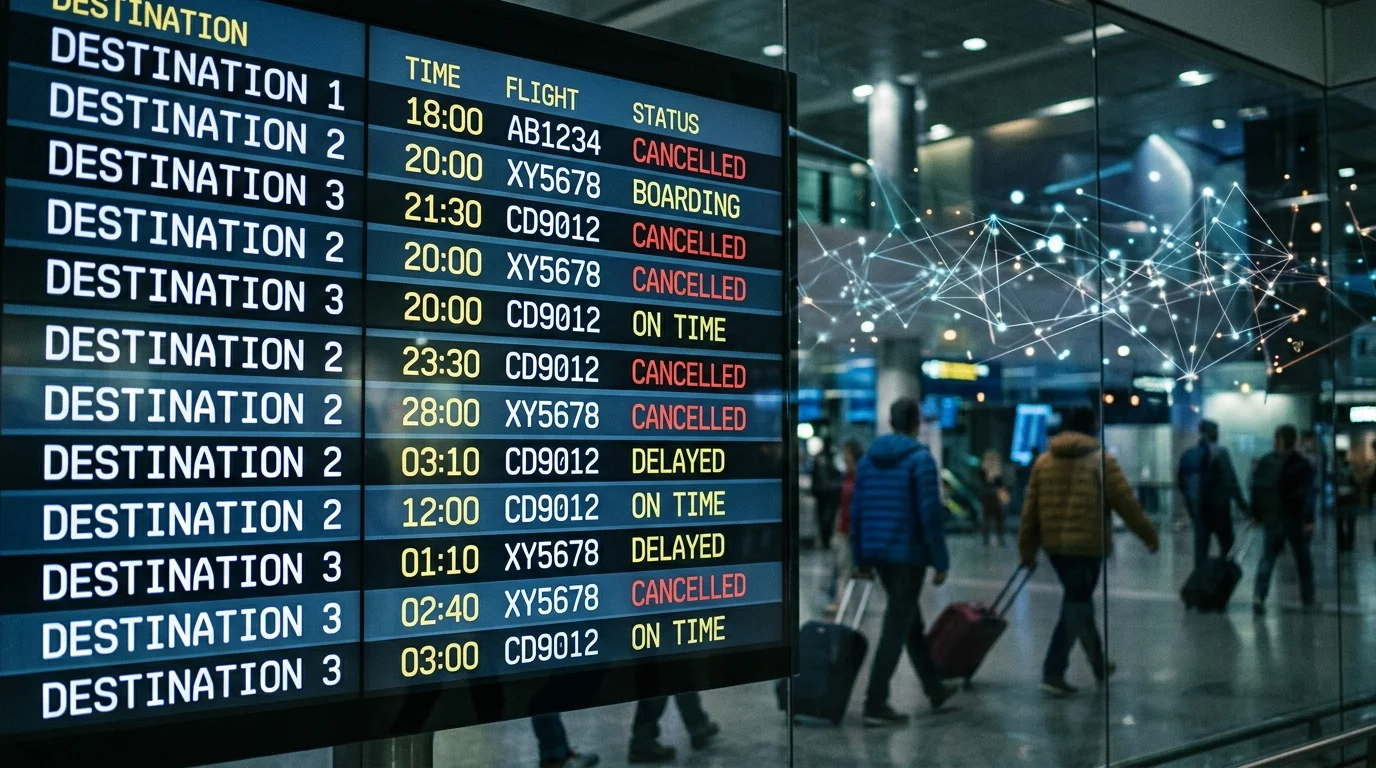
The latest outage, which NATS described as a “network connectivity issue,” primarily impacted airspace over northern England, Scotland, and Ireland. The technical failure created a significant backlog. According to aviation data firm Cirium, at least 227 flights were cancelled by late Monday afternoon as airlines struggled with aircraft and crew displacement.

Escalating Pressure on NATS Leadership
The recurring nature of these failures has shifted the conversation from operational complaints to a fundamental critique of NATS’ structural resilience. Ryanair has called for the immediate resignation of NATS CEO Martin Rolfe. The airline characterized the repeat failures as evidence of systemic mismanagement.
EasyJet echoed these concerns, stating that the September 21 incident “once again calls into question the resilience” of the systems managed by NATS. The airline industry’s frustration stems from the proximity of this event to the September 8 outage, which was later attributed to a “millisecond software defect” triggered during the processing of a specific flight plan. NATS has clarified that the current connectivity issue is unrelated to that previous software fault.
Passenger Rights and Compensation
Despite the widespread nature of the disruption, travelers are unlikely to receive financial payouts for their lost time. The Civil Aviation Authority (CAA) indicated on September 21 that the glitch is likely to be classified as “extraordinary circumstances.” Under UK aviation law, this classification exempts airlines from paying standard delay compensation because the cause—a failure of national air traffic infrastructure—is considered outside the airline’s direct control.
While passengers may not be eligible for cash compensation, airlines remain legally obligated to provide “duty of care.” This includes providing food, drink, and overnight accommodation for passengers stranded by the cancellations.
Infrastructure and Economic Impact
The failure at the Prestwick center highlights a specific vulnerability in the UK’s northern air corridors. As the primary control hub for traffic over Scotland and the North Atlantic, a shutdown at Prestwick causes immediate ripple effects for transatlantic flights and domestic hops as far south as Manchester.
Industry analysts suggest the repeated technical lapses may lead to a formal government inquiry into the reliability of the UK’s air traffic control technology. While NATS stated that its systems returned to full capacity by mid-morning, the financial impact on carriers and the damage to passenger confidence continue to mount as the industry enters a period of intense scrutiny over its digital infrastructure.