


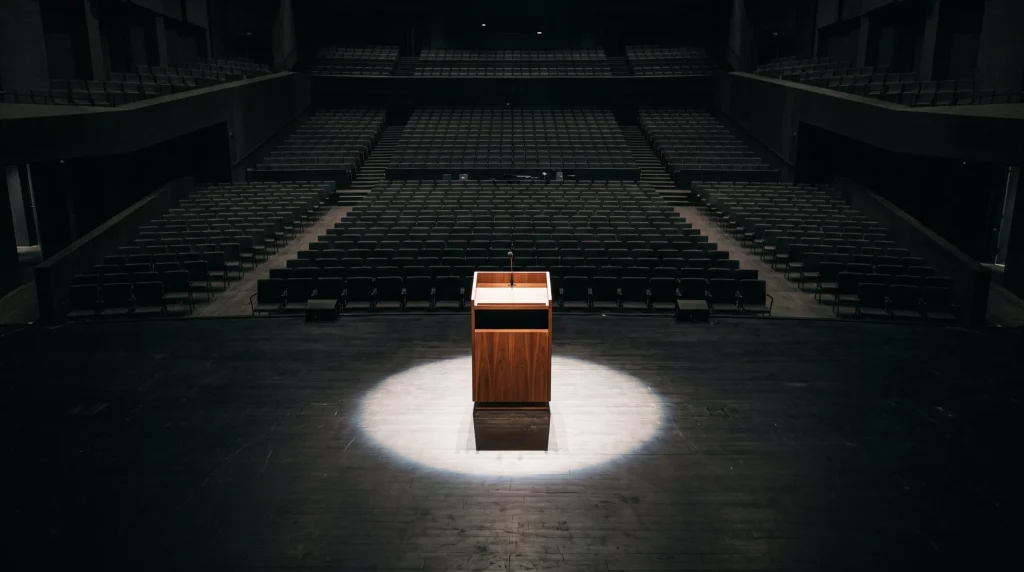
The traditional job interview—a quiet room, a two-page CV, and a series of scripted questions—is increasingly being replaced by stage lights, microphones, and competitive pitching. A growing number of global firms are adopting recruitment models that resemble televised talent shows, requiring candidates to perform under pressure to secure entry-level roles.
Yumi Liberman, a 24-year-old marketing professional, represents the successful face of this shift. She secured a marketing management trainee position with L’Oréal after participating in a high-stakes international competition that culminated in a live pitch in Paris. Rather than discussing her past experiences in a private office, Liberman presented a haircare app idea to a panel of judges and an audience of approximately 300 people.


The Rise of Competition-Based Hiring
This method is most visible in programs like L’Oréal Brandstorm, an annual innovation competition that has become a cornerstone of the beauty giant’s youth recruitment strategy. Since its launch in 1992, the program has engaged more than 850,000 participants globally.
The scale of these events suggests they are more than mere marketing exercises. In 2024 alone, L’Oréal reported that 500 young professionals found career opportunities through the Brandstorm circuit. While only the first-place global winners are guaranteed a specific prize, the visibility afforded to participants allows the company to identify and hire standout performers regardless of their final ranking.
The appeal for employers lies in the “real-world” simulation of the job. Recruiters argue that seeing a candidate solve a business problem and present it under pressure provides more insight into their potential than a standard interview.
The Debate Over Performance and Fairness
While these competitions can launch careers, they have also sparked significant debate regarding hiring ethics and accessibility. On social media and specialized recruitment forums, critics have labeled these high-pressure formats as “humiliating” and “economically disparaging.”
A primary concern involves the concept of unpaid labor. Candidates often spend weeks or months developing sophisticated business ideas, branding strategies, and digital prototypes—intellectual property that remains with the firm or is used to vet thousands of applicants at a lower cost than traditional human resources screening.
There is also a growing discussion around neurodiversity and personality bias. Analysts suggest that stage-based recruitment naturally favors extroverts and those with formal performance training. This creates a potential barrier for introverted candidates or neurodivergent individuals who may possess superior technical or analytical skills but struggle in a “talent show” environment.
Despite these criticisms, the trend appears to be gaining momentum in the graduate job market. For candidates like Liberman, the risk of performing on stage offered a direct path into a competitive industry, turning a standard application process into a high-visibility career launchpad. For others, the shift marks a daunting evolution in the search for employment, where the ability to “show” is becoming just as critical as the ability to “do.”