


Complaints escalated to the Consumer Council for Water (CCW) surged by 84% during the 2025-26 fiscal year, reaching the highest level in two decades. This sharp rise in formal disputes followed the largest increase in household water bills since the industry was privatized in 1989.
The watchdog reported that 15,115 cases were escalated to its office after consumers failed to reach a resolution with their suppliers, up from 8,235 the previous year. At the company level, households filed a total of 321,347 direct complaints, representing a 56% year-on-year increase.

Data from the CCW indicates that affordability and billing issues were the primary catalysts for the record-breaking figures. Following the April 2025 price hikes, which added as much as £224 to some annual household bills, affordability-related complaints about water companies escalated to the watchdog rose by 129%.
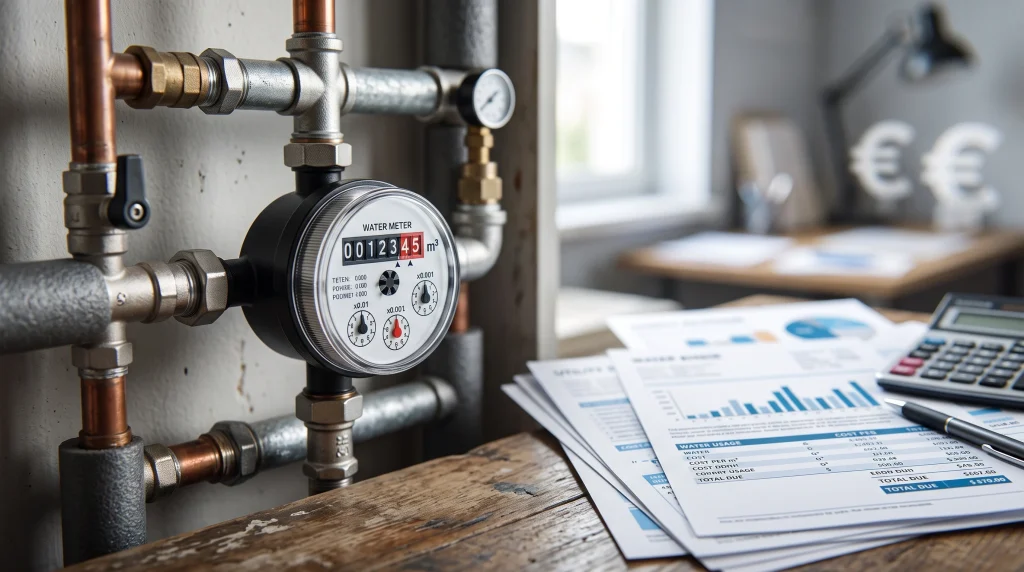
The report also highlighted a 464% increase in complaints specifically regarding the inability to have water meters installed. Many customers seek meters as a way to control costs, and delays or refusals in installation have become a significant point of friction. Additionally, complaints related to debt recovery processes increased by 49% during the same period.
Performance Rankings by Company
The CCW’s annual assessment rated water companies based on both the volume of complaints received and how effectively they were handled. The results showed a significant disparity in service quality across the sector.
- Poor Performers: Thames Water and South West Water were both rated as “poor” in both complaint volume and handling.
- Top Performers: Portsmouth Water and Bristol Water were the only two firms to receive “good” ratings across both metrics.
Thames Water, the UK’s largest supplier, has faced particular scrutiny as it manages high debt levels alongside these service failures. While environmental issues such as sewage discharge remain a major public concern, the CCW data suggests that the immediate financial impact of billing and debt collection is currently the leading cause of formal customer dissatisfaction.
Government Response and Planned Reforms
Environment Secretary Angela Eagle stated she shares the public’s frustration with the current state of the industry. She has promised a series of sector reforms intended to ensure that consumer payments are prioritized for infrastructure improvements rather than executive dividends.
The proposed reforms aim to strengthen the powers of regulators to hold companies accountable for both environmental performance and customer service standards. For now, the CCW has urged water companies to do more to identify struggling households and offer support before billing issues escalate into formal disputes.